
Web Wise
Local SEO

Local Citations: The Complete Guide to Building and Managing Citations in 2026

Everything you need to know about local citations: what they are, why they matter for local SEO rankings, the top citation sources, and how to audit and fix citation issues. A practical guide for local businesses and marketers.

Web Wise Team Feb 12, 2026 18 min read
Local citation building NAP consistency framework with 3-tier directory strategy
  • 1Local citations are online mentions of your business name, address, and phone number (NAP) on directories, websites, and platforms, and they are a confirmed Google ranking factor for local search
  • 2NAP consistency is critical: even small differences like "Street" vs "St." across listings can confuse Google and hurt your local rankings
  • 3Focus on the top 50 citation sources first (Google, Yelp, Facebook, Apple Maps, Bing, and industry-specific directories) before pursuing niche or low-authority sites
  • 4Structured citations (formal directory listings) and unstructured citations (mentions in blog posts, news articles, and social media) both contribute to local SEO authority
  • 5Audit your existing citations before building new ones, fixing inconsistent or duplicate listings delivers faster ranking improvements than creating new citations from scratch

What Are Local Citations and Why Do They Matter?

Local citations are online mentions of a business's name, address, and phone number (NAP) on websites, directories, apps, and social platforms. Google and other search engines use citations to verify that a business exists, confirm its location, and assess its prominence in a local market. Consistent, accurate citations across authoritative sources signal to Google that your business information is trustworthy, which directly impacts your local search rankings.

Citations are one of the foundational elements of local SEO. While they are not the most heavily weighted ranking factor (that honor goes to Google Business Profile signals and reviews), citations remain essential for establishing the baseline trust that supports all other local ranking signals.

Think of it this way: if your business has inconsistent information across the web, with different phone numbers on Yelp, an old address on Yellow Pages, and a misspelled name on Facebook, Google has reason to doubt the accuracy of your information. That doubt translates directly into lower local rankings.
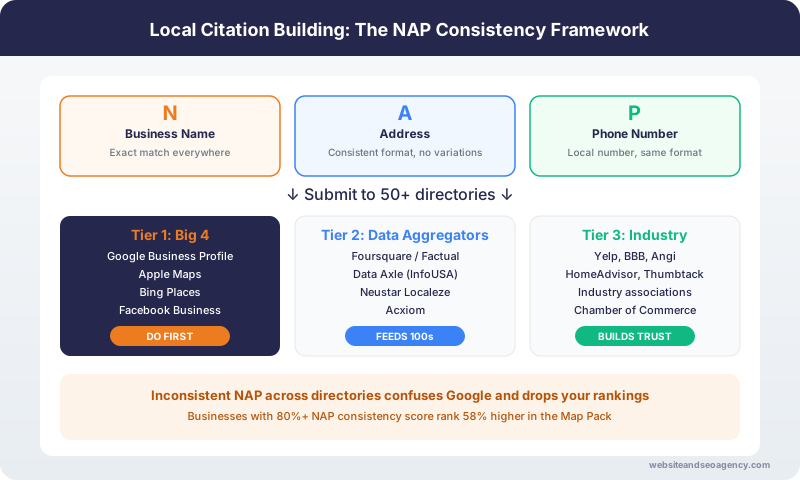
Local citation building NAP consistency framework with 3-tier directory strategy

How Do Citations Impact Local Search Rankings?

Google's local search algorithm considers citations in several ways, making them a multi-dimensional ranking factor rather than a simple "more is better" signal.
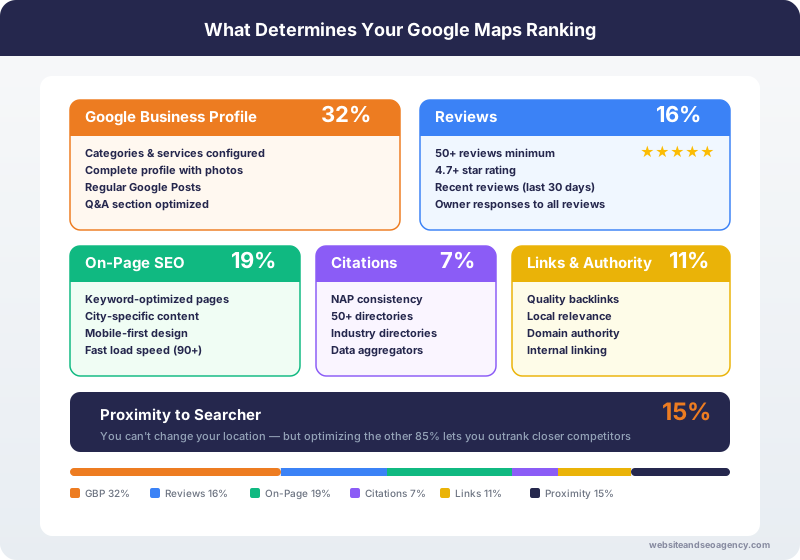
Local SEO ranking factors breakdown: GBP 32%, Reviews 16%, On-Page 19%, Citations 7%, Links 11%, Proximity 15%

NAP Consistency as a Trust Signal

The most important citation factor is consistency. When Google finds the same business name, address, and phone number across dozens of authoritative websites, it gains confidence that the information is accurate. This confidence translates into higher local rankings, particularly in the Google Map Pack.

What counts as inconsistent:

  • Business name variations: "Smith Plumbing" vs "Smith Plumbing LLC" vs "Smith Plumbing Co."
  • Address format differences: "123 Main Street" vs "123 Main St" vs "123 Main St."
  • Phone number variations: Different numbers, different formatting
  • Suite/unit number inconsistencies: "Suite 200" vs "Ste 200" vs "Ste. 200" vs missing entirely
  • Even minor differences can create citation inconsistency issues. Pick one exact format for your business name, address, and phone number, then use it identically everywhere.

    Citation Volume and Authority

    The total number of citations from authoritative sources indicates how well-known and established a business is. A plumbing company mentioned across 60 directories, review sites, and local business pages appears more prominent than one listed on only 10 sites.

    However, quality matters far more than quantity. Ten citations on high-authority sites (Google, Yelp, Facebook, BBB, Apple Maps) carry more weight than 100 citations on obscure, low-quality directories.

    Citation Freshness

    Active, recently updated citations signal to Google that a business is currently operating. Citations that were created years ago and never updated carry less weight than those that are regularly maintained with current information, photos, and engagement.

    Types of Citations: Structured vs Unstructured

    Understanding the two types of citations helps you build a comprehensive citation strategy.

    Structured Citations
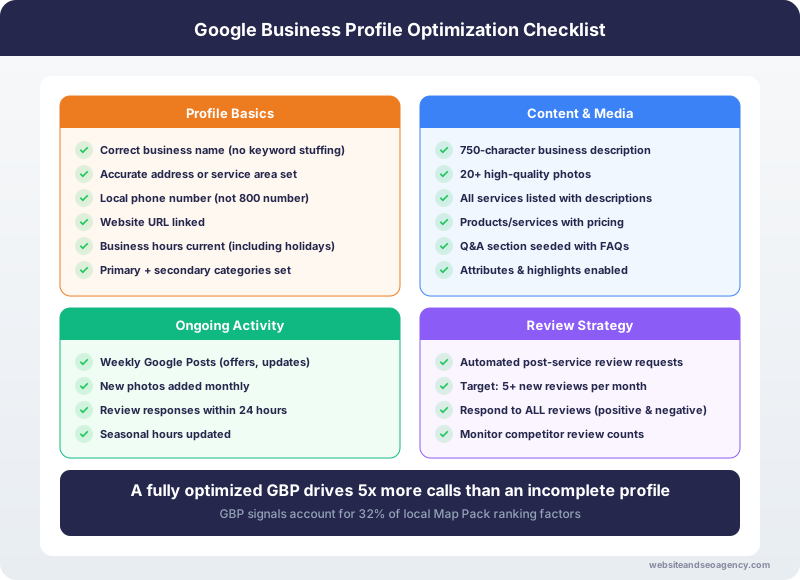
    Google Business Profile optimization checklist with 20+ action items across 4 categories
    Google Business Profile optimization checklist with 20+ action items across 4 categories

    Structured citations are formal business listings on directories and platforms where your information appears in a consistent, standardized format. These are the most common and easiest citations to build and control.

    Examples of structured citations:

  • Google Business Profile
  • Yelp business listing
  • Facebook Business Page
  • Yellow Pages listing
  • BBB profile
  • Apple Maps listing
  • Bing Places profile
  • Industry-specific directories (Angi, Houzz, Healthgrades, Avvo, etc.)
  • Structured citations typically include your NAP plus additional information like business hours, website URL, categories, photos, and descriptions.

    Unstructured Citations

    Unstructured citations are mentions of your business on non-directory websites. These are harder to build but carry significant SEO value because they come from diverse, often authoritative sources.

    Examples of unstructured citations:

  • Local news articles mentioning your business
  • Blog posts featuring your company (customer stories, interviews, features)
  • Event sponsorship pages listing your business
  • Chamber of Commerce member pages
  • Local charity pages listing sponsors
  • Social media posts mentioning your business
  • Industry association member directories
  • University or school sponsor pages
  • Unstructured citations are particularly valuable because they often include contextual information about your business alongside the NAP, giving Google additional signals about what your business does and where it operates.

    Top 50 Citation Sources for Local Businesses

    Not all citation sources are created equal. Prioritize these categories in order:

    Tier 1: Essential Citations (Build First)

    These are the most authoritative and impactful citation sources. Every local business should have accurate, complete listings on all of these:

  • Google Business Profile
  • Yelp
  • Facebook Business Page
  • Apple Maps (Apple Business Connect)
  • Bing Places for Business
  • Better Business Bureau (BBB)
  • Yellow Pages (YP.com)
  • Foursquare
  • Nextdoor Business Page
  • LinkedIn Company Page
  • Tier 2: Major Directories (Build Second)

  • MapQuest
  • Superpages
  • CitySearch
  • DexKnows
  • Manta
  • Hotfrog
  • Brownbook
  • EZLocal
  • Local.com
  • ShowMeLocal
  • Tier 3: Data Aggregators (Critical for Distribution)

    Data aggregators feed your business information to hundreds of smaller directories, apps, and platforms. Submitting to these four aggregators is one of the most efficient ways to build citations at scale:

  • Data.com (Infogroup/Data Axle)
  • Neustar Localeze
  • Acxiom
  • Foursquare (also serves as an aggregator)
  • Tier 4: Industry-Specific Directories

    Choose the directories relevant to your industry:

    Home Services:

  • Angi (formerly Angie's List)
  • HomeAdvisor
  • Thumbtack
  • Houzz
  • Porch
  • Bark
  • Professional Services:

  • Avvo (legal)
  • Healthgrades (medical)
  • Zocdoc (medical)
  • FindLaw (legal)
  • Expertise.com
  • Restaurants and Hospitality:

  • TripAdvisor
  • OpenTable
  • Zomato
  • MenuPages
  • Tier 5: Social and Review Platforms

  • Instagram Business Profile
  • Twitter/X Business Profile
  • Pinterest Business Profile
  • YouTube Channel
  • Trustpilot
  • Google Maps (separate from GBP for review purposes)
  • Tier 6: Local and Community Sources

  • Local Chamber of Commerce directory
  • Local newspaper business directory
  • City/county business registry
  • Local business association directories
  • Community event and sponsorship pages
  • UK-Specific Citation Sources

    For businesses operating in the United Kingdom, add these to your citation strategy:

  • Yell.com (UK's largest directory)
  • Thomson Local
  • Scoot
  • FreeIndex
  • Checkatrade (home services)
  • TrustATrader (home services)
  • MyBuilder (construction/trades)
  • Which? Trusted Traders
  • Cylex UK
  • 192.com Business Directory
  • How to Audit Your Existing Citations

    Before building new citations, audit your existing ones. Fixing inconsistent or duplicate citations often delivers faster ranking improvements than creating new ones.

    Step 1: Search for Your Business Name

    Search Google for your business name in quotes. Review every result and note where your business appears with incorrect or outdated information.

    Step 2: Use Citation Audit Tools

    Professional tools scan thousands of directories for your business information and identify inconsistencies:

  • BrightLocal: Comprehensive citation audit with cleanup tracking
  • Moz Local: Scans and pushes updates to major data sources
  • Whitespark: Finds citations and identifies new opportunities
  • Semrush Listing Management: Monitors and manages listings at scale
  • Step 3: Document Inconsistencies

    Create a spreadsheet tracking:

  • Directory name and URL
  • Listed business name (note any variations)
  • Listed address (note any differences)
  • Listed phone number (note any differences)
  • Status: Correct, Incorrect, Missing, Duplicate
  • Step 4: Prioritize Fixes

    Fix citations in order of authority:

  • Google Business Profile (most important)
  • Yelp, Facebook, Apple Maps, Bing
  • Data aggregators (these feed hundreds of smaller sites)
  • Major directories
  • Industry-specific directories
  • Everything else
  • Step 5: Claim and Correct

    For each incorrect listing:

  • Claim the listing if you have not already
  • Update all information to match your standardized NAP
  • Add complete business information (hours, website, categories, photos)
  • Set a reminder to verify the update took effect (some directories take weeks)
  • Common Citation Mistakes to Avoid

    These mistakes undermine your citation strategy and can actively hurt your local rankings.

    Using Different Business Names

    "ABC Plumbing," "ABC Plumbing LLC," "ABC Plumbing & Heating," and "ABC Plumbing Co." are all different to Google. Pick your exact legal business name and use it identically everywhere. If your LLC name differs from your DBA, use your DBA consistently for marketing citations.

    Letting Old Addresses Persist

    If you have moved locations, old address citations can create serious confusion. Search for your old address and update every listing. This is especially critical because Google may show your old location in map results.

    Having Multiple Phone Numbers

    Using different phone numbers across listings fragments your data. Choose one primary phone number for all citations. If you use call tracking numbers for different marketing channels, do not use them in citations, use your permanent business number.

    Ignoring Duplicate Listings

    Duplicate listings on the same directory (two Yelp pages, two Google listings) confuse search engines and split your reviews. Identify and merge or delete duplicates immediately.

    Building Citations Too Quickly

    Creating 100 citations in a week looks unnatural to Google. Build citations gradually: 10-15 per week is a natural pace. Focus on quality and completeness rather than speed.

    Using PO Boxes or Virtual Addresses

    Google requires a physical business location for local search. PO boxes, virtual office addresses, and UPS Store addresses violate Google's guidelines and risk suspension of your Google Business Profile.

    How to Build New Citations Effectively

    Follow this process for each new citation you create:

    Prepare Your Standardized Information

    Before creating any listings, prepare a master document with:

  • Exact business name (character-for-character consistent)
  • Complete physical address (exact format you will use everywhere)
  • Primary phone number (local number, not toll-free)
  • Website URL
  • Business hours (consistent across all listings)
  • Business categories (primary and secondary)
  • Business description (short version: 50 words; long version: 200 words)
  • Owner/manager name
  • Payment methods accepted
  • Year established
  • License numbers (if applicable)
  • 10+ high-quality photos
  • Build Citations in Priority Order

    Follow the tiered list above. Start with Tier 1 essential citations, then work through Tier 2-6 over several weeks.

    Complete Every Listing Fully

    Do not just enter your NAP and move on. Complete every available field on each directory:

  • Full business description
  • All relevant categories
  • Business hours
  • Photos (upload at least 5-10 per major directory)
  • Services offered
  • Payment methods
  • Links to your website and social profiles
  • Complete listings rank better within directories and provide more citation value for local SEO.

    Verify and Confirm

    Many directories send verification postcards, emails, or phone calls. Complete every verification process. Unverified listings may not count as citations and could be claimed by someone else.

    How to Maintain Citations Over Time

    Citations are not a "set it and forget it" task. Regular maintenance ensures your citations continue supporting your local rankings.

    Monthly maintenance tasks:

  • Monitor for new reviews on citation sites (respond to all)
  • Check that no listings have been edited or overwritten by directory data refreshes
  • Update seasonal business hours if applicable
  • Quarterly maintenance tasks:

  • Search for your business to identify new directories where you appear
  • Verify top 20 citations are still accurate
  • Look for new industry-specific directories to list on
  • Check for and remove duplicate listings
  • As-needed maintenance:

  • Update all citations immediately when you change your phone number, address, or business name
  • Claim new directories that launch in your industry
  • Remove citations from directories that have been penalized or deindexed by Google
  • Building Citations Into Your Broader Local SEO Strategy

    Citations are one piece of a comprehensive local SEO strategy. They work best when combined with:

  • Google Business Profile optimization: Your most important listing, optimized weekly
  • Review building: Generating fresh, positive reviews on Google and key directories
  • On-page local SEO: City pages, service pages, and locally optimized content on your website
  • Local link building: Earning backlinks from local organizations, news sites, and businesses
  • Content marketing: Creating valuable content that earns both unstructured citations and backlinks
  • Citations provide the foundation of NAP consistency that supports all other local ranking signals. Without consistent citations, your GBP optimization and review building cannot achieve their full potential.

    Ready to Build Your Citation Strategy?

    Start by auditing your existing citations, fixing any inconsistencies, and then building out missing listings from the top 50 sources listed above. Focus on quality and consistency over quantity.

    Need professional help? Our local SEO services include comprehensive citation auditing, building, and ongoing management as part of every local SEO campaign.

    Get a Free Citation Audit and we will scan your current citations, identify inconsistencies, and show you exactly where your business is listed (and where it should be).

    Want Professional Help?

    Learn more about our Local SEO services and how we can help your business dominate local search results.

    Explore Local SEO Services

    Frequently Asked Questions

    What are local citations in SEO?
    Local citations are any online mention of a local business that includes its name, address, and phone number (NAP). Citations appear on business directories (Yelp, Yellow Pages), social platforms (Facebook, LinkedIn), industry-specific sites (Angi, Houzz), data aggregators (Data.com, Neustar Localeze), and in unstructured mentions on blogs, news sites, and other web pages. Google uses citations to verify business information and determine local search rankings.
    How many citations does a local business need?
    Most local businesses should aim for 50-80 high-quality citations across major directories, data aggregators, and industry-specific platforms. Quality matters more than quantity. Having 50 accurate, consistent citations on authoritative sites is far more valuable than 200 citations with inconsistent information across low-quality directories. Our local SEO clients typically see ranking improvements once they reach 40-50 consistent, high-quality citations.
    Do citations still matter for local SEO in 2026?
    Yes, citations remain a confirmed local SEO ranking factor in 2026, though their relative weight has decreased compared to reviews and Google Business Profile signals. Citations are foundational: they verify your business exists, confirm your location, and build the NAP consistency Google needs to trust your business information. Think of citations as the foundation, not the entire building, of your local SEO strategy.
    How do I fix inconsistent citations?
    Start by auditing all existing citations using tools like BrightLocal, Moz Local, or Whitespark. Identify listings with incorrect or outdated NAP information. Then manually claim and update each listing, prioritizing high-authority directories first (Google, Yelp, Facebook, BBB). For data aggregator citations, update your information with the four major aggregators (Data.com, Neustar Localeze, Acxiom, Factual) as they feed information to hundreds of smaller directories.
    What is the difference between structured and unstructured citations?
    Structured citations are formal business listings on directories like Yelp, Yellow Pages, and BBB where your NAP is displayed in a consistent, structured format. Unstructured citations are mentions of your business on non-directory websites: blog posts, news articles, event pages, sponsor listings, and social media posts. Both types contribute to local SEO, but structured citations are easier to control and should be built first.

    About the Author

    Web Wise Team

    The Web Wise Team has built and managed thousands of local citations for service businesses across the US and UK. Our citation building strategies are a core part of our local SEO campaigns.
    Share this article:
    Back to Blog

    Ready to Grow Your Local Business?

    Let our experts help you dominate local search and generate more leads.